Hamilton Hound
A Silhouette That Speaks Volumes
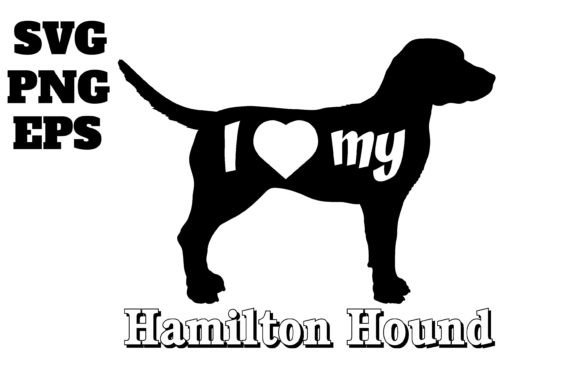
As a designer who’s stitched countless projects from custom apparel to holiday gifts, I’ve come across many embroidery designs that promise more than they deliver. Hamilton Hound is one such design that immediately caught my eye—not for its complexity, but for its simplicity and visual strength. It’s a silhouette of a dog, rendered in clean lines and subtle details that hint at the breed without being overly specific. The first thing I noticed was the mood it creates: calm, friendly, and approachable.
The Perfect Fit for Custom Apparel
When I think about how Hamilton Hound would translate into real projects, I envision it on a custom sweatshirt or tote bag. The design’s minimalist approach makes it versatile enough to work on both light and dark fabrics. Its lack of intricate details means it won’t overwhelm the fabric, which is crucial when working with smaller hoop sizes or delicate materials like cotton or linen.
I imagine using it as a personalized gift for a dog lover—perhaps a baby onesie or a cap that adds a touch of charm without being too busy. The design’s clean lines also make it ideal for embroidered patches or aprons where clarity is key. In these scenarios, the design maintains its integrity even when scaled down or applied to curved surfaces.
Testing the Design in Real Life
Before committing to any design for a client or product, I always test it on scrap fabric. With Hamilton Hound, I found that the stitch density is balanced—neither too tight nor too loose. This ensures that the design remains crisp and readable, even after multiple washes. However, I did notice that the small details, like the subtle curve of the dog’s ears or the tail, might be lost on very thin or textured fabrics.
One thing to consider is the use of stabilizer. Since the design has no fill stitches, a lightweight tear-away stabilizer works best to keep the fabric taut during stitching. For darker fabrics, I recommend testing thread color contrast to ensure visibility. A white or pastel thread might not stand out well against deep navy or black backgrounds, so it’s worth experimenting before finalizing the project.
Where to Use Hamilton Hound Carefully
While Hamilton Hound is a great choice for many applications, there are situations where it might not perform as well. For instance, on stretchy fabrics like denim or spandex, the design could distort slightly due to the fabric’s elasticity. Similarly, on layered garments or items that require frequent washing, the design may lose some definition over time.
Another area to be cautious about is the use of tiny lettering or decorative accents. Though Hamilton Hound doesn’t include text, if it were to be combined with other elements, those details could become problematic. The design’s simplicity is its strength, but it also means it can’t carry much else without losing clarity.
Enhancing Visual Appeal and Product Value
Visual appeal is everything when it comes to handmade products and craft business items. Hamilton Hound brings a sense of personality and warmth that can elevate a simple item into something meaningful. Whether it’s a personalized pillow cover or a holiday gift, the design adds character without being overpowering.
From a customer perspective, the design feels trustworthy and professional. It’s the kind of embroidery that people can recognize and appreciate, which is especially important for Etsy sellers or small shop owners looking to build brand consistency. The design’s recognizable shape also makes it easier for buyers to identify and connect with, which can increase engagement and sales.
Design Notes for Embroidery Professionals
If you’re an embroidery designer or a digital product seller, it’s essential to review the file formats and licensing terms before selling finished items. Hamilton Hound includes SVG, PNG, and EPS files, which are all compatible with most embroidery machines. However, the exact stitch count and hoop size aren’t specified, so it’s wise to check those details before offering the design for commercial use.
For those looking to create printable mockups or digital previews, the design holds up well in both black and white and color versions. It’s also a good idea to test the design on different fabric textures to ensure it performs consistently across various materials.
Final Thoughts on Hamilton Hound
Hamilton Hound is a design that balances simplicity with impact. It’s not the most complex or detailed template, but that’s exactly what makes it so effective for real-world use. Whether you’re creating a custom sweatshirt, a handmade patch, or a boutique product, this design offers a clean, elegant solution that feels personal and thoughtful.
As a practical designer, I’d recommend using Hamilton Hound for projects where clarity and recognition are important. Just remember to test it thoroughly, confirm your machine compatibility, and always check the licensing before selling. With the right preparation, this design can become a valuable asset for your embroidery business or creative projects.